Our Work
This is where you can see what our work actually involves – the areas we work across, the programmes we are running now, the projects we have delivered, and what we are currently developing.
Our Focus Area
Our work runs across four areas. Each one shapes the programmes and projects described further down this page.
Research
We use evidence to understand where educational provision is falling short and what can be done about it, particularly for children with disabilities and children in under-resourced schools and communities. Research is not a separate strand of our work; it is what our materials and programmes are built from, and what we return to when something does not work as expected.
Advocacy
We work to bring greater attention to educational equity and inclusion, and to make the case that what is known about how children learn should shape what happens in classrooms. This means putting evidence in front of the people whose decisions determine what children receive.
School Support
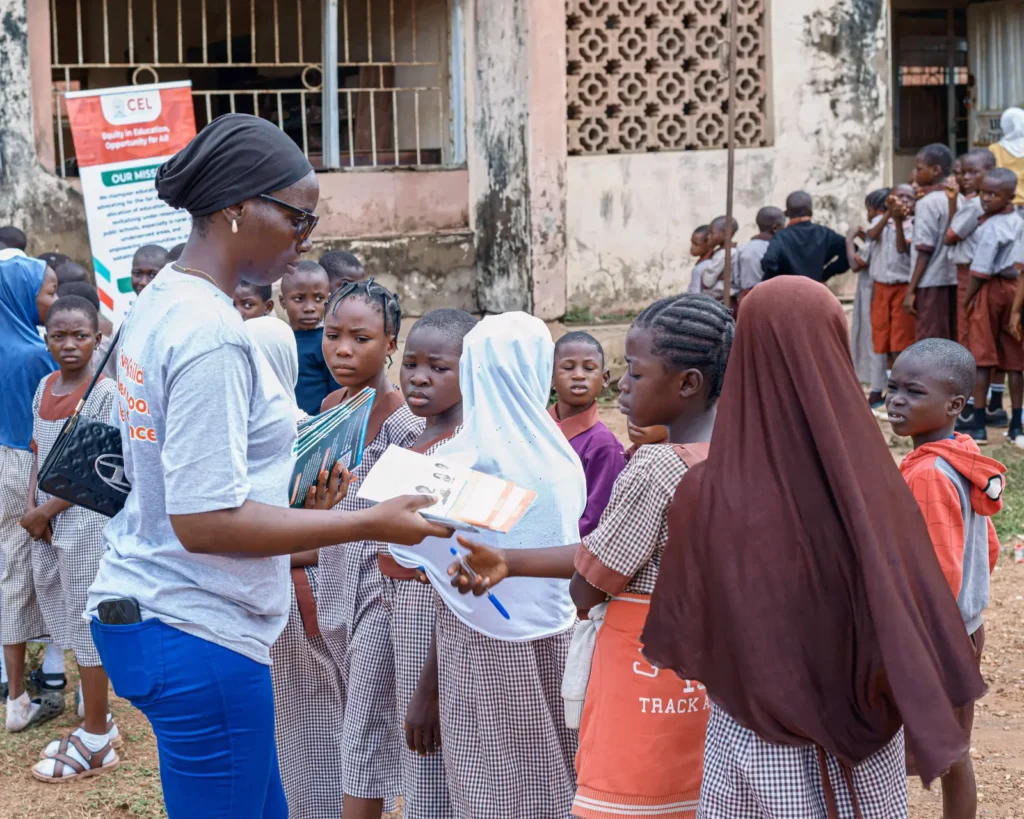
We work with schools and educators directly, providing learning materials, instructional approaches and practical support that strengthen teaching and make classrooms work for a wider range of learners. Our focus is on what a teacher can realistically use in the conditions they are actually working in.
Community Engagement
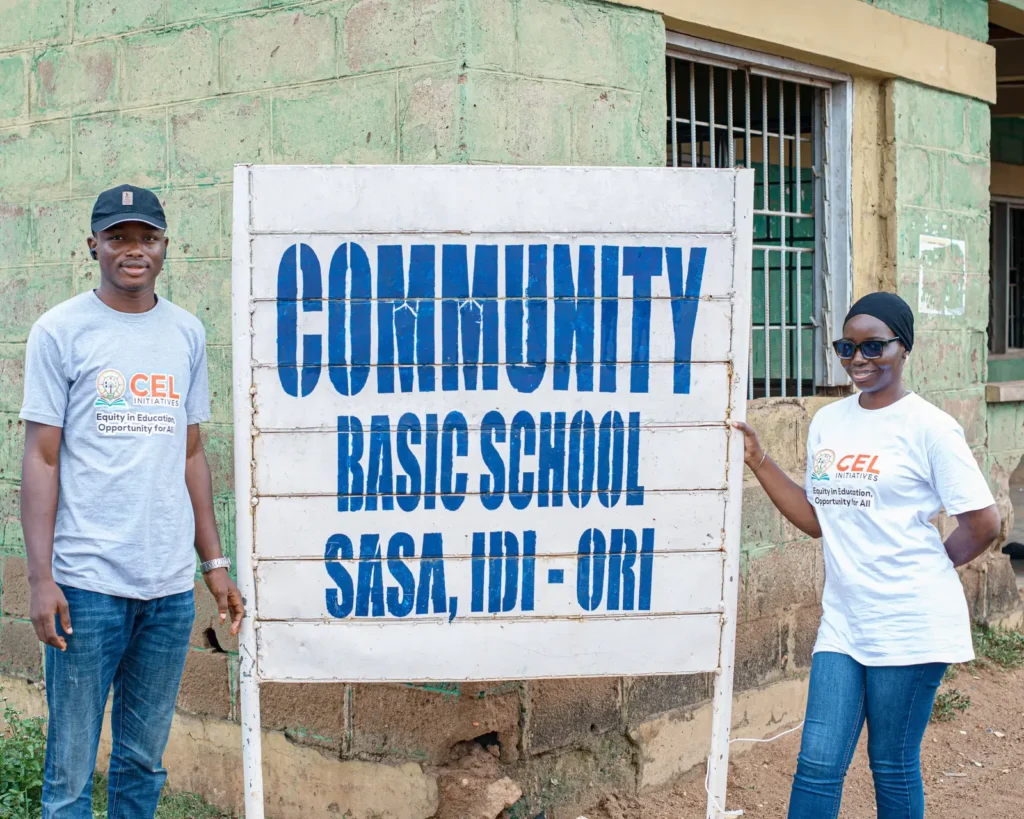
We work with families, community groups and local organisations so that children’s learning is supported beyond the school day. This includes community learning sessions, and working with parents to understand and support what their child needs.
Current Programmes
Providing direct support to schools to help them maximize resources and improve educational outcomes.
Community Learning Programme
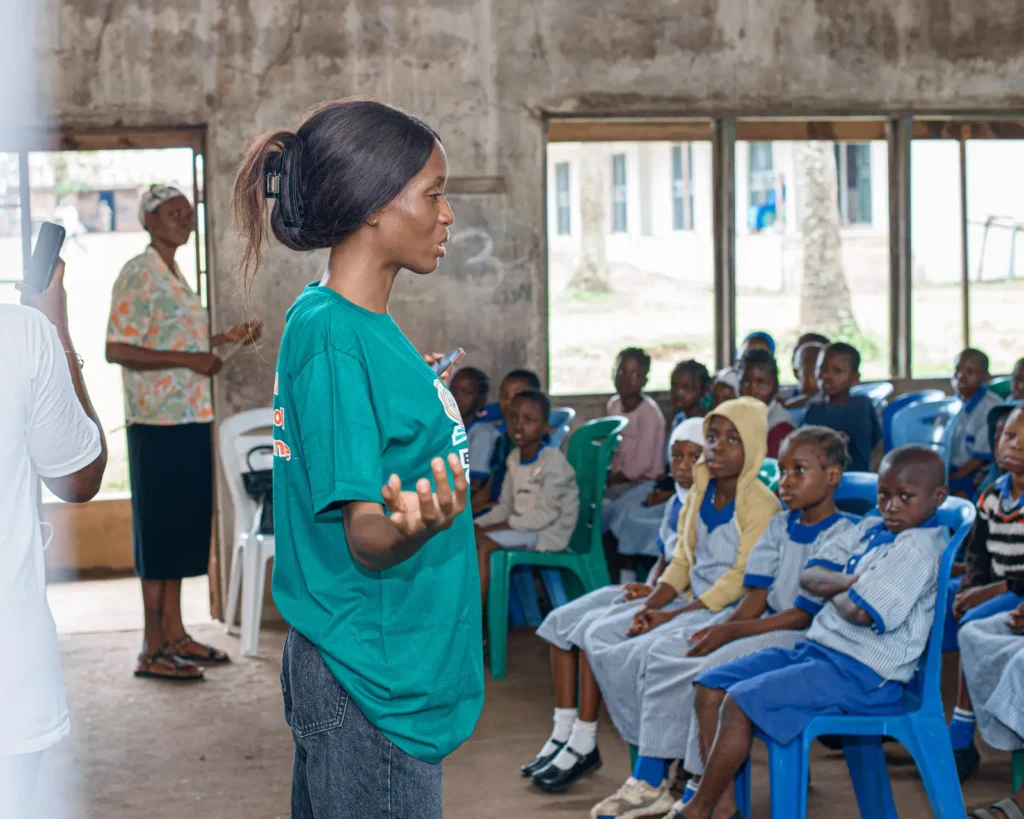
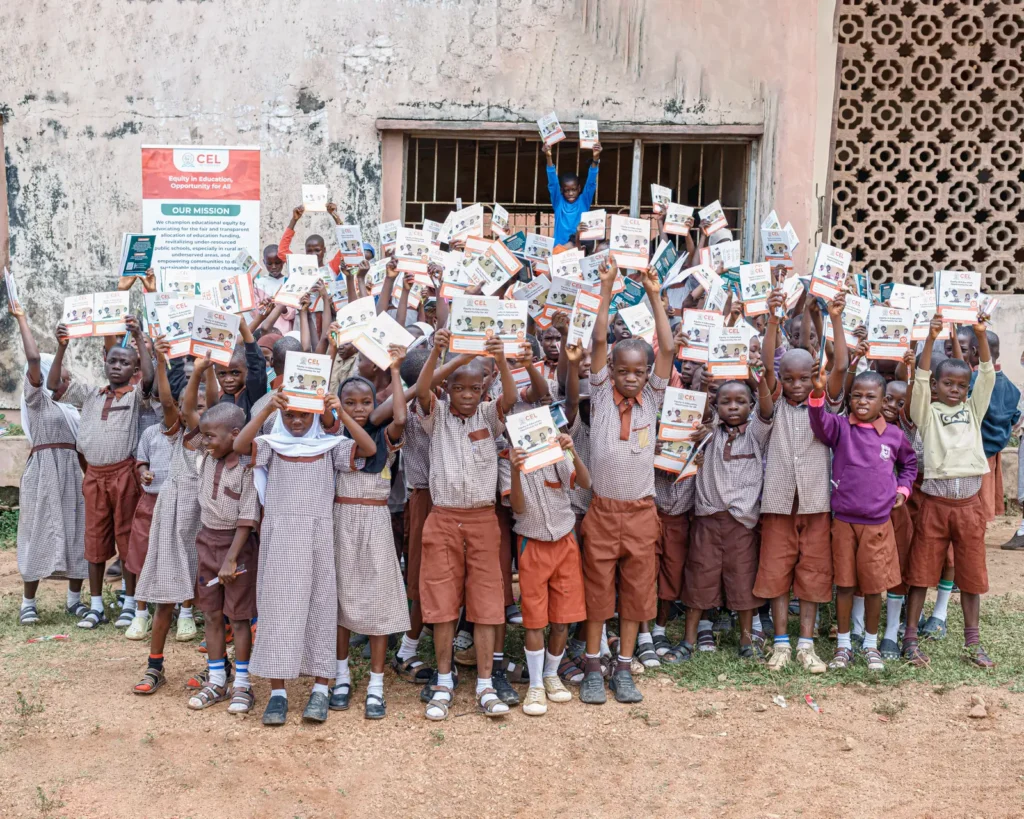
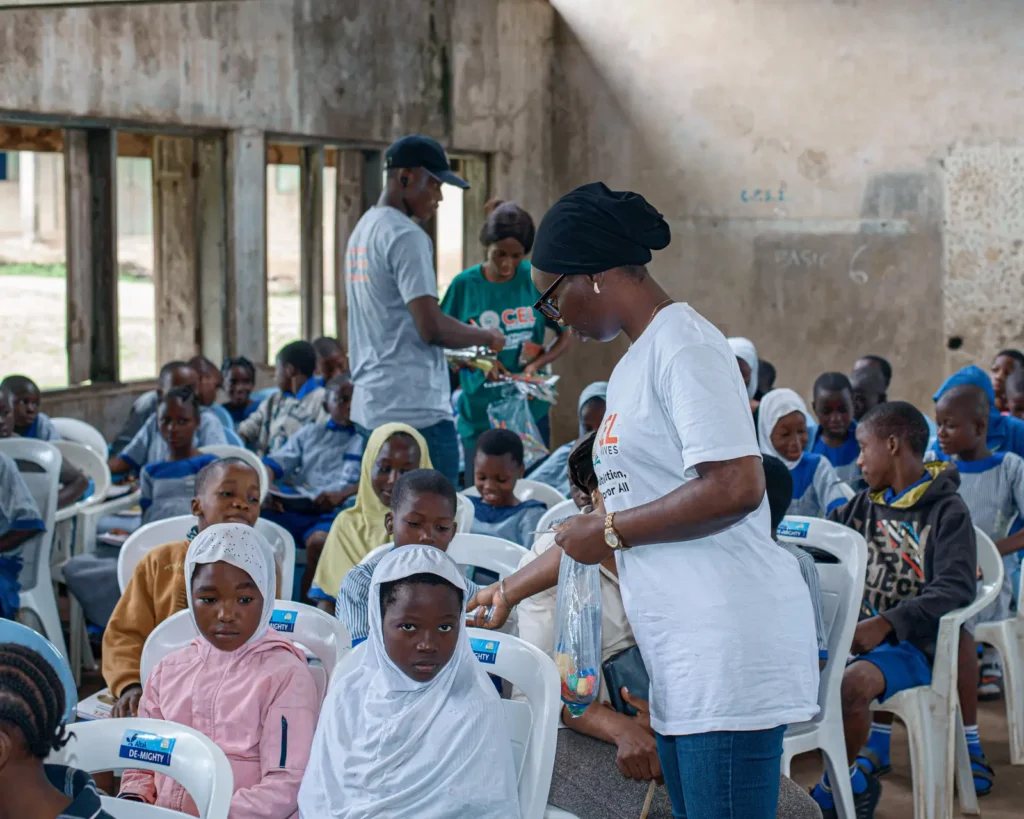
The Community Learning Programme provides structured learning for children in under-resourced communities, children whose schooling has been interrupted, whose attendance is irregular, or who have no access to organised support outside school hours.
We deliver the programme through public primary and junior secondary schools, community learning hubs, and after-school and weekend sessions, so that children can be reached wherever learning is realistically possible for them.
What we do
We provide the curriculum, the learning materials and the structure of each session, and we work alongside teachers, community volunteers and local partners who deliver them.
Key activities
- Structured literacy and numeracy sessions
- Critical thinking and peer collaboration activities
- Community-based learning projects that connect classroom work to practical tasks
- Life-skills and civic participation activities
Inclusive Early Learning Readiness Curriculum
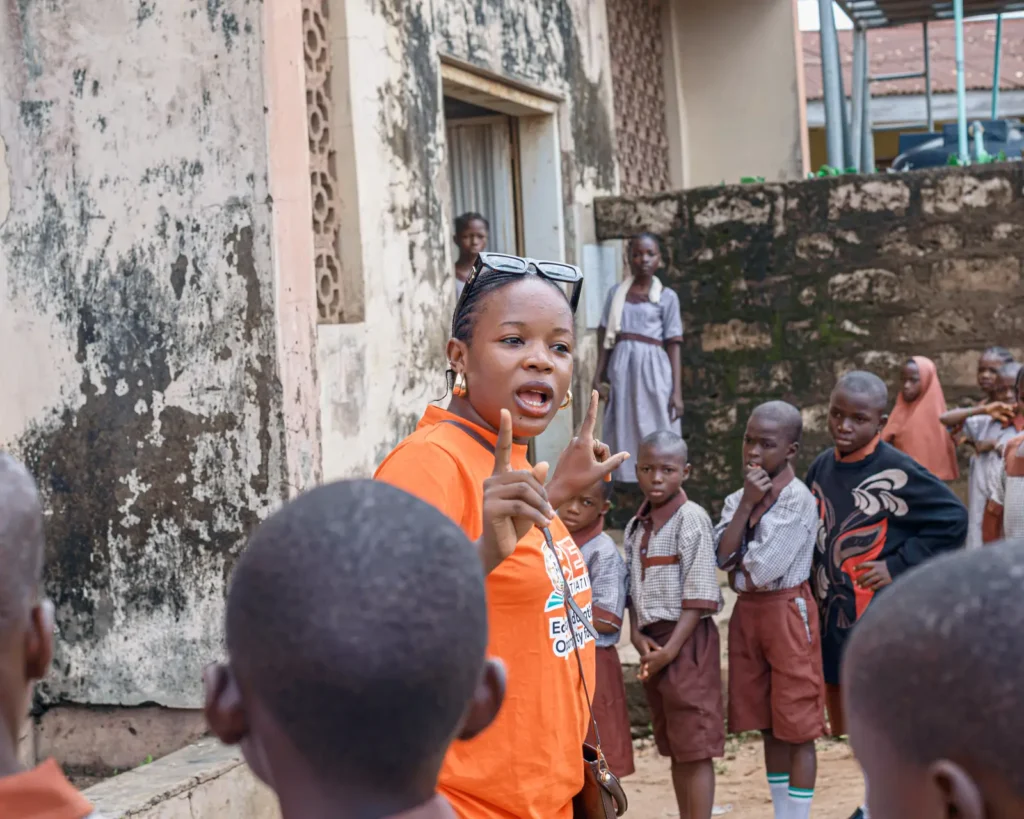
The Inclusive Early Learning Readiness Curriculum is designed for early-grade classrooms where teachers are working with large classes, limited materials and little or no specialist support.
It sets out what to teach and how to teach it across the foundations of early learning, with the guidance built into the curriculum itself, so that a teacher without specialist training can deliver it, and so that children who learn differently are accounted for from the start rather than accommodated afterwards.
Who it is for
Early-grade learners in under-resourced primary schools, including children with developmental and learning differences.
Key activities
- Structured early literacy and communication activities
- Learning-readiness routines that build attention, participation and task completion
- Teacher-facing implementation guidance
- Progress tracking that a classroom teacher can maintain
Support for Children with Autism, Cerebral Palsy and Down Syndrome
A curriculum designed for one child’s way of learning cannot simply be relabelled for another. Much of what is available to teachers treats disability as a single category, and children with very different learning profiles end up receiving broadly the same materials.
Our work in this area starts from the opposite position. We treat autism, cerebral palsy and Down syndrome as three distinct learning-design problems, each needing its own approach, and we design learning materials accordingly.
How we approach each
Autism – The main barrier is often not what a child can understand but how much they can manage at once. Our materials are built around sensory load, predictable structure and communication support, so that a lesson does not break down before its content is reached.
Cerebral palsy – Standard pacing and handwriting-based tasks systematically underestimate what a child with cerebral palsy knows. Our materials separate what a child understands from what they can physically produce, so that comprehension is not measured by motor control.
Down syndrome – Simply slowing down a standard curriculum tends to produce a plateau rather than progress. Our materials follow a separately sequenced developmental path, building functional literacy and independent-living skills in an order that matches how these children actually acquire them.
What we provide
We design and develop the learning materials and instructional approaches, and make them available to the schools, teachers, families and organisations who work with these children directly. Our role is to supply well-designed materials into their hands — supporting the qualified teachers and specialists who deliver instruction, not standing in for them.
Who this is for
Children with autism, cerebral palsy and Down syndrome; the teachers and support staff who teach them; and the families supporting their learning at home.
Programmes in Development
The following programmes are in development and are not yet operating. We are sharing them here because we are looking for schools, organisations and supporters to help bring them into practice.
Inclusive Education and School Support Programme - In Development
A programme to help schools strengthen inclusive teaching and build learning environments that work for a wider range of learners. It will focus on practical classroom support: how teaching is adapted, how the learning environment is set up, and how schools support children whose needs are not met by standard provision.
Teacher and Family Learning Programme - In Development
A programme to equip teachers and families with practical knowledge and resources to support children’s learning and development. It will focus on what teachers and parents can do directly, understanding how a child learns, recognising where they are struggling, and knowing what to do about it.
Partner With Us
If you would like to help bring one of these programmes into practice , as a school, an organisation, a funder or a collaborator , we would be glad to talk.